

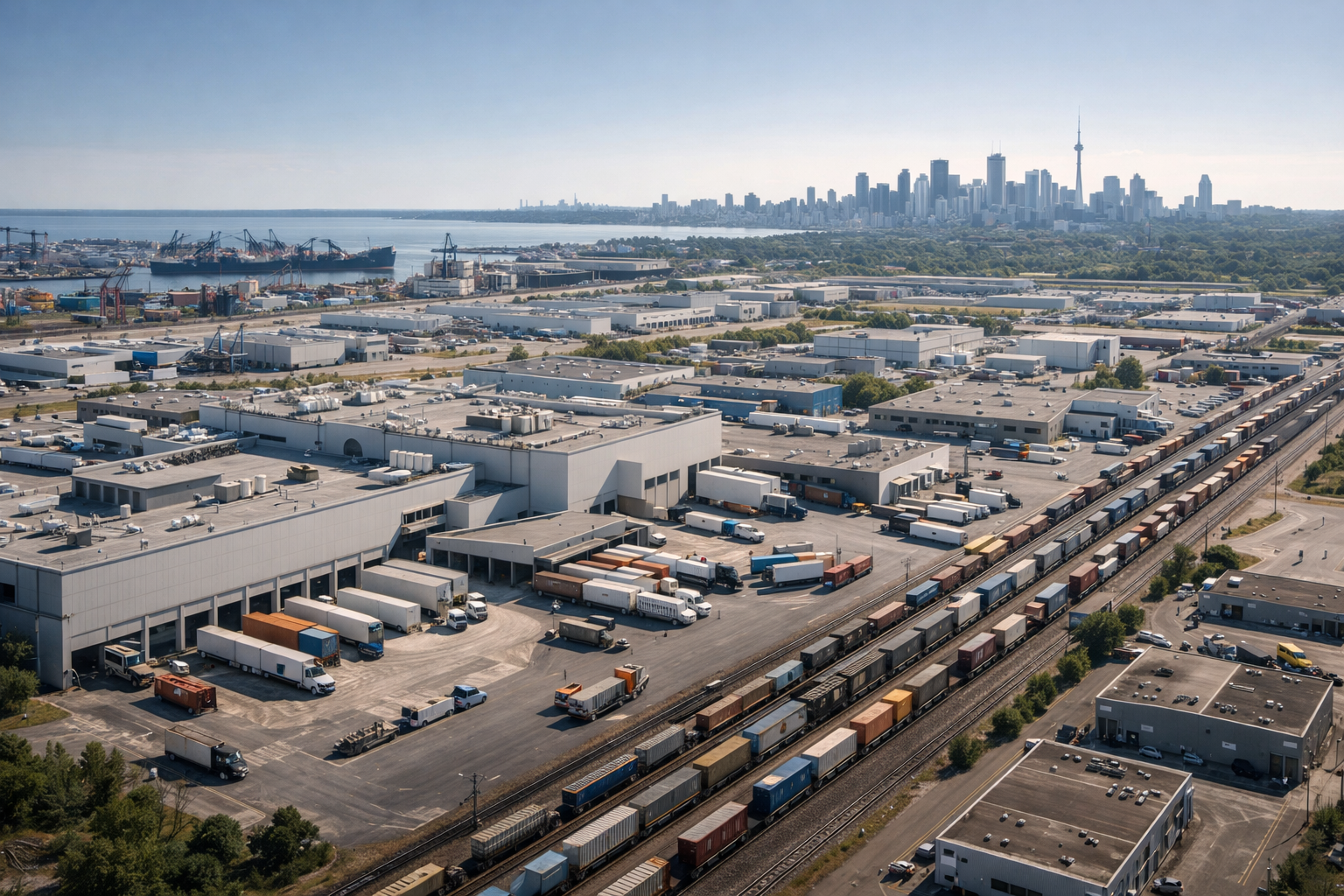
Canada retains a significant manufacturing base that continues to underpin large segments of the national economy. While the country is often associated primarily with natural resources and services, manufacturing remains an important pillar of economic activity. Industries such as aerospace, automotive production, rail equipment, food processing, chemicals, and advanced materials demonstrate that Canada possesses a broad industrial foundation capable of supporting both domestic prosperity and international trade.
Much of this capacity is concentrated in well-established industrial regions. Southern Ontario and Quebec, for example, remain central to Canada’s automotive and aerospace sectors. Major global manufacturers operate production facilities in these regions, supported by supply chains that include thousands of small and medium-sized firms. These networks of parts suppliers, engineering companies, logistics providers, and specialized manufacturers form complex ecosystems that sustain high-value production and skilled employment.
Canada’s aerospace sector illustrates the strength of these industrial clusters. With globally recognized companies and advanced engineering capabilities, the country plays a meaningful role in the production of aircraft components, flight systems, and specialized technologies. Similarly, the automotive sector continues to anchor large segments of the manufacturing workforce, producing vehicles and parts for both North American and global markets.
Rail equipment manufacturing and transportation technologies also represent areas where Canada maintains longstanding expertise. Companies involved in rail systems, transit vehicles, and transportation engineering contribute to infrastructure development both domestically and internationally. These capabilities are increasingly relevant as countries around the world invest in modern transit and freight systems.
Food production and processing represent another major component of Canada’s industrial capacity. As one of the world’s largest agricultural producers, Canada possesses a strong foundation for value-added food manufacturing. Processing facilities transform raw agricultural products into packaged foods, ingredients, and export-ready goods that supply global markets. This sector connects primary agriculture with industrial production, creating employment across rural and urban communities alike.
Chemical manufacturing and advanced materials further expand the country’s industrial capabilities. Canadian firms produce a wide range of industrial inputs used in construction, manufacturing, and technology development. Advanced materials research, including composites and specialized metals, increasingly intersects with sectors such as aerospace, clean energy, and advanced manufacturing.
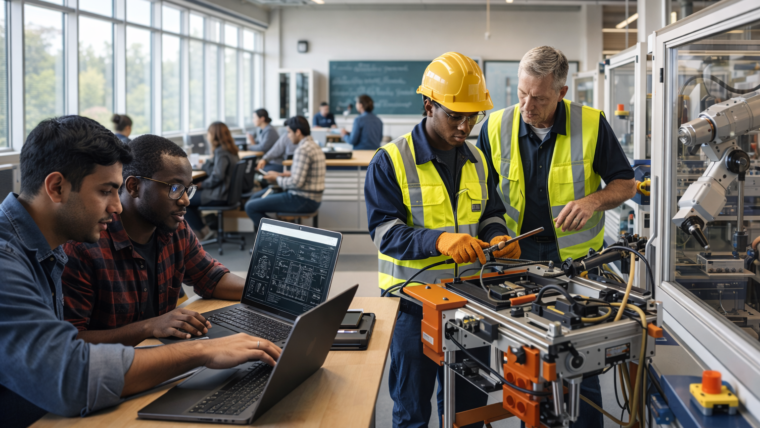
Despite these strengths, Canada’s manufacturing potential is often underappreciated. Public discussion frequently focuses on industrial decline in certain regions without acknowledging the resilience and adaptability of many manufacturing sectors. Automation, advanced production techniques, and digital integration are reshaping modern factories, enabling manufacturers to remain competitive in global markets.
This transformation highlights the importance of maintaining a supportive environment for industrial development. Investments in infrastructure, research and development, workforce training, and supply chain resilience all play a role in strengthening Canada’s manufacturing base. Policies that encourage innovation and facilitate collaboration between industry, government, and educational institutions can further enhance productivity and competitiveness.
Canada’s manufacturing sector therefore represents not only an existing source of economic strength but also a reservoir of future potential. With the right alignment of policy and investment, the country’s industrial capacity can continue to evolve toward higher-value production and greater global integration.
Recognizing and supporting this latent industrial capability is essential to ensuring that Canada remains a competitive manufacturing nation in an increasingly complex global economy.