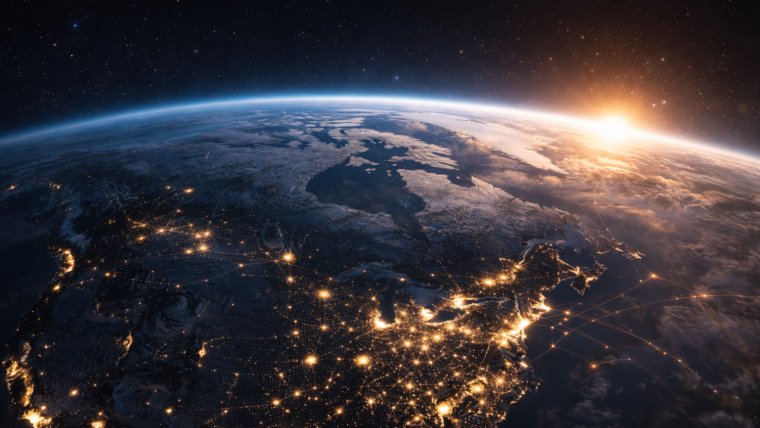

Canada occupies one of the most strategically valuable geographic positions in the world, though we have rarely spoken about it in those terms. We are one of the few nations on Earth with direct access to three oceans: the Atlantic, the Pacific, and the Arctic. Each of these coastlines connects Canada to major global markets and trade routes, giving the country a natural advantage in transportation, commerce, and international engagement. As global supply chains evolve and geopolitical competition increases, this geographic reality will only become more important.
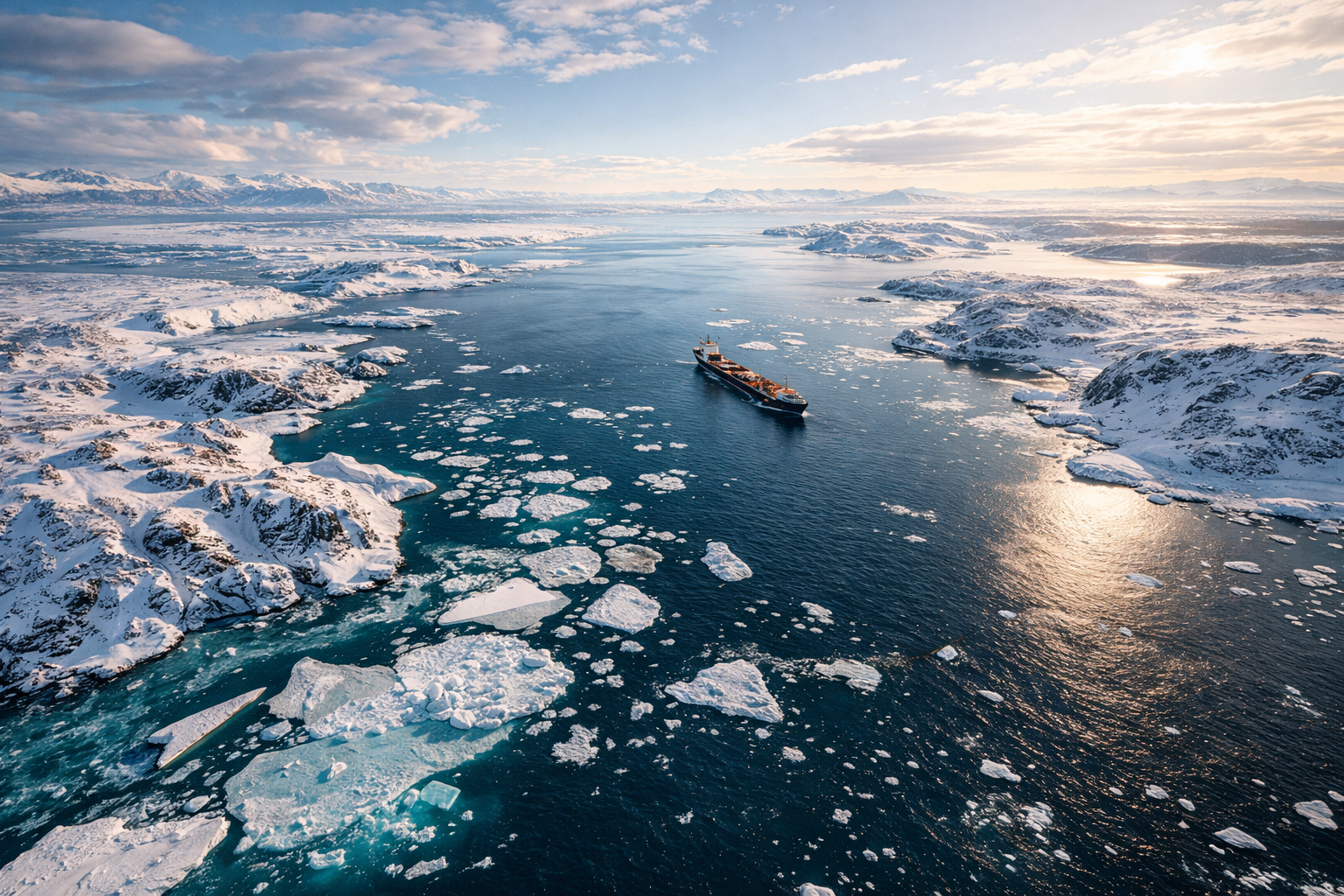
The emerging importance of the Arctic is particularly significant. Climate change and shifting ice patterns are gradually opening northern maritime routes that were once inaccessible for much of the year. As these routes become more navigable, the Arctic has the potential to reshape global shipping patterns. Shorter routes between Europe and Asia could increasingly pass through northern waters, bringing new economic opportunities but also new responsibilities for Canada as a steward of one of the world’s most sensitive and strategically important regions.
Canada’s northern geography will therefore become central to questions of shipping, security, environmental stewardship, and resource access. Vast natural resources exist across the North, including critical minerals essential for advanced manufacturing and emerging technologies. At the same time, northern communities and Indigenous nations are already facing the impacts of environmental change and economic transition. Any long-term strategy for the Arctic must balance development with sustainability and respect for the people who live there.
For the United Canadian Centrists, Canada’s geography should be treated not as a passive fact but as a strategic asset that requires thoughtful national coordination. This begins with strengthening Canada’s presence and infrastructure across the North. Ports, icebreakers, modern search-and-rescue capabilities, and reliable transportation links will be essential as activity increases in Arctic waters. Improved satellite monitoring and maritime awareness will also be necessary to ensure that Canada can effectively manage and protect its northern territory.
Security considerations are also becoming more prominent. As global powers turn their attention toward the Arctic, Canada must ensure that its sovereignty and jurisdiction are clearly maintained. This does not require confrontation, but it does require credible capability, cooperation with allies, and a consistent national presence in northern regions. The Arctic should remain a zone of stability and responsible stewardship, not a source of geopolitical tension.
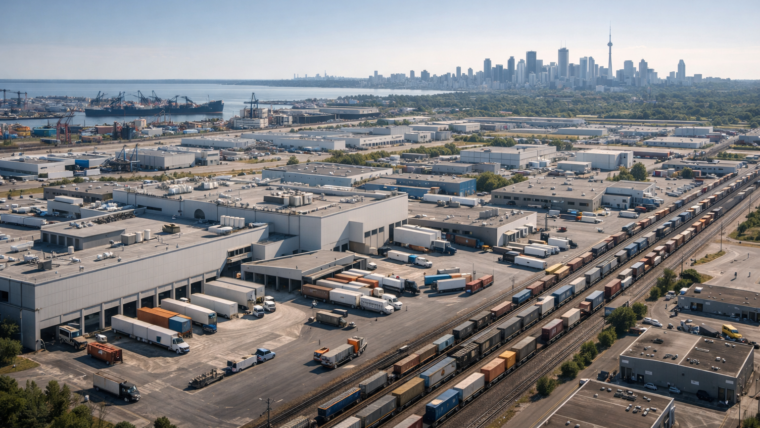
At the same time, Canada’s three-ocean geography presents major economic opportunities. Improved port infrastructure on both the Atlantic and Pacific coasts can strengthen Canada’s role as a gateway for global trade. Strategic transportation corridors linking ports to inland industrial regions can help move Canadian resources, manufactured goods, and agricultural products efficiently to world markets. In this way, geography becomes not simply a matter of maps, but a foundation for national prosperity.
The United Canadian Centrists believe Canada must begin thinking about its geography with greater strategic clarity. Our oceans, our Arctic, and our vast territory are not peripheral features of the country. They are central to Canada’s long-term economic strength, security, and global role. With careful planning, responsible development, and strong partnerships with northern and Indigenous communities, Canada can ensure that its geographic advantages translate into lasting national opportunity.